Our Programs
Youth Services of Creek County offers comprehensive support for children, youth, and families across Creek County. From school-based therapy to emergency shelter, we meet young people where they are and help them build brighter futures.
School-Based Services
School-based counseling services are provided throughout several school districts within Creek County. Our services are geared toward addressing many of the issues that adolescents deal with in their everyday lives. We offer individual and group counseling options.
Referral of a student can come from anyone (parent/guardian, school personnel, friend); however, the parent/guardian is contacted when a counselor makes first contact with the referred student.
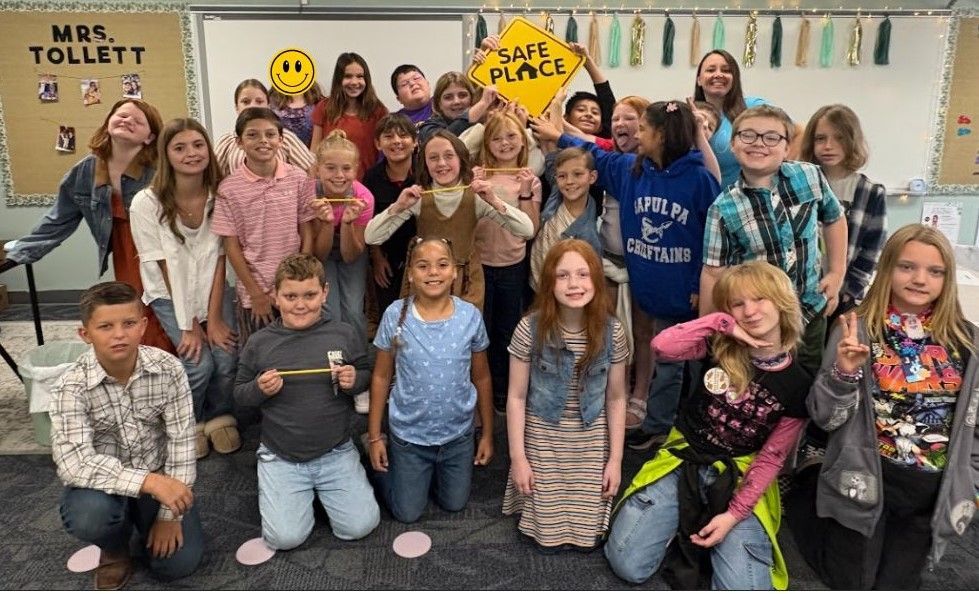
Schools We Serve
- Kiefer Public Schools
- Mounds Public Schools
- Sapulpa Public Schools
- Oilton Public Schools
- Drumright School District
- Lonestar School District
Program Focus Areas
- Individual counseling and assessment
- Family support services
- Community service opportunities
- Skills development workshops
6
School Districts
5
Licensed Therapists
2
Counseling Options
24/7
Crisis Support
Individual & Family Counseling
Individual and family counseling services are offered through our offices in Sapulpa. Our on-site counselors will work with you to develop a treatment plan tailored to your needs. Our counseling professionals are knowledgeable and experienced in working with families and individuals. Our office space provides adequate privacy, and counselors value your confidentiality.
Program Focus Areas
- Anger management
- Self-esteem
- Grief/loss
- Divorce
- Low motivation
- Boundaries
- Conflict management
Parenting Classes
Coming soon
Shelter (CERC)
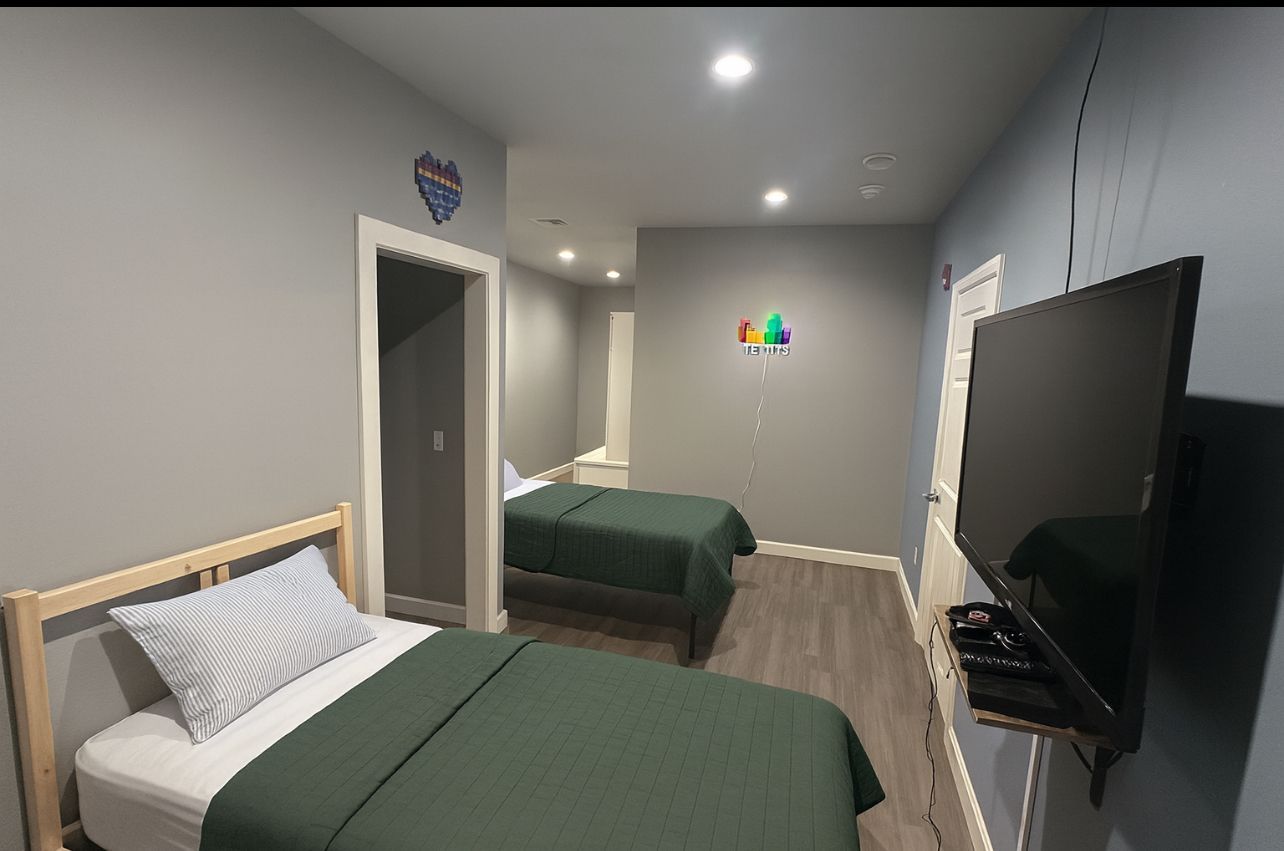
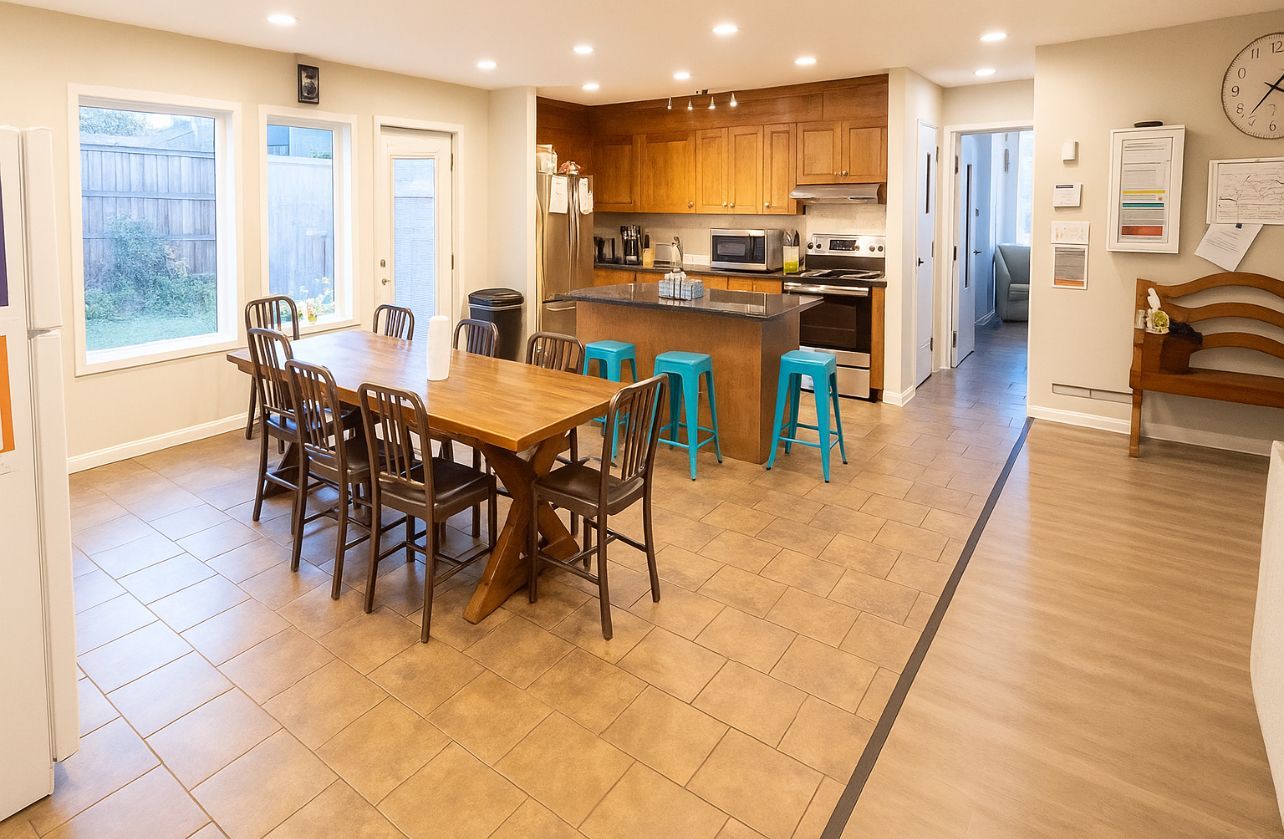
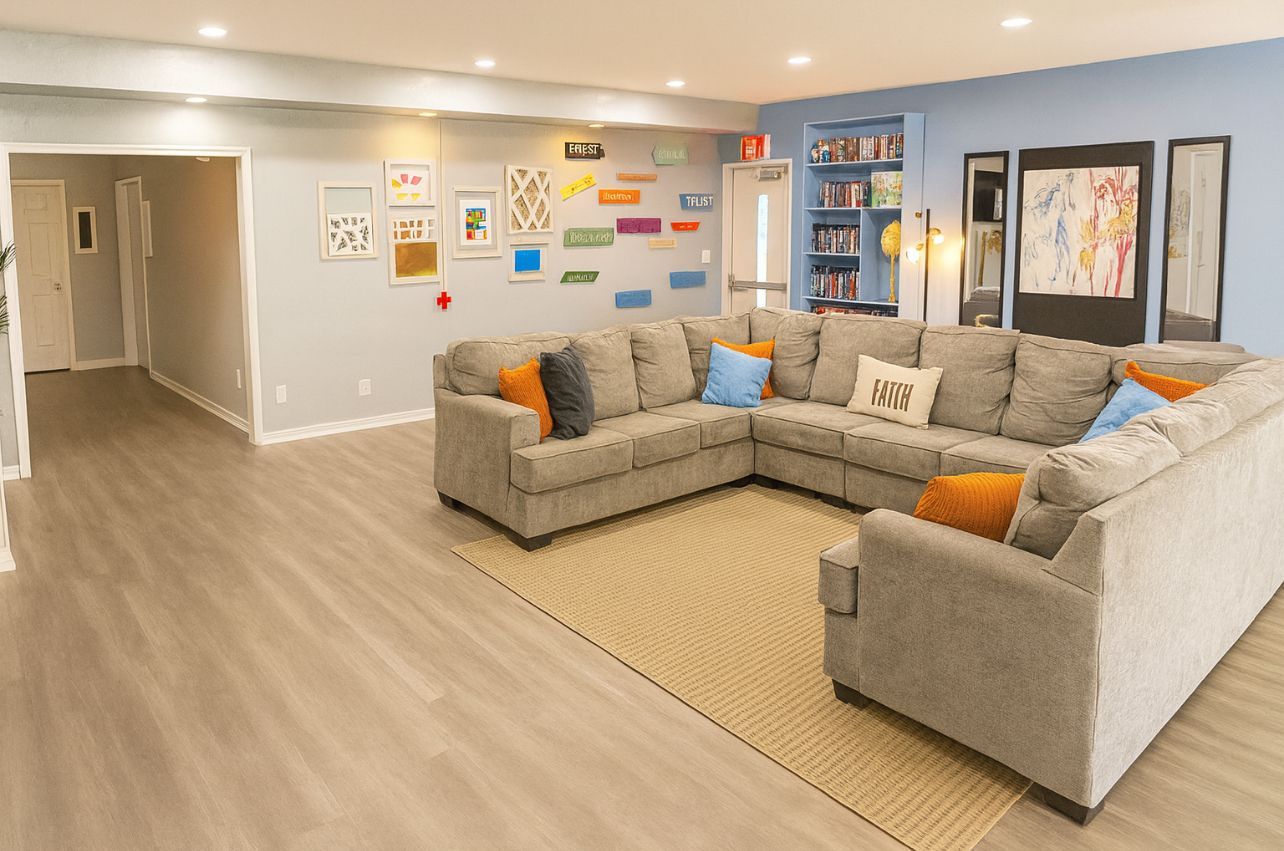
The Children’s Emergency Resource Center (shelter) provides temporary housing for children in foster care, custody of the Office of Juvenile Affairs, runaway/homeless youth, and children in the community. The overall goal of this program is to provide basic needs to homeless children, an education, and teach life and coping skills for self-sustainability. The CERC also provides a 24-hour crisis phone line. Children and families receiving crisis intervention services are offered counseling, resources, and referrals.
Children living in the shelter attend in-person public school, have after-school tutoring on site at YSCC four days a week, learn life, coping, and social skills, attend therapy, receive routine check-ups such as eye, dentist, and doctor appointments, participate in recreational therapy, and have all basic needs met. Most of the children residing in the shelter have been in foster care for several years and have disrupted their previous placement. Most of the children have a mental health diagnosis that requires them to take daily medication and often multiple medications. These diagnoses’ include ADHD, ODD, PTSD, and anxiety and depressive disorders.
Next Step Program
In partnership with local municipalities, the Next Step Program provides specialized support for at-risk youth. When courts, schools, or community leaders say "there's nothing available for this young person," we offer an answer.